
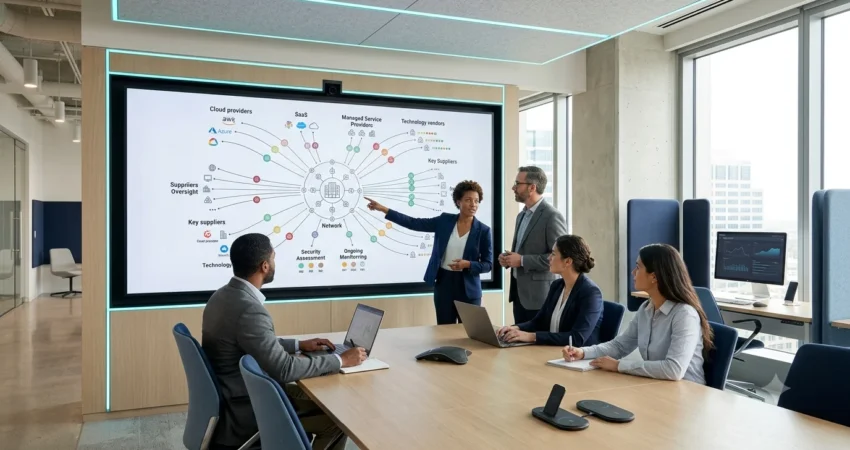
A practical enterprise playbook for classifying suppliers, performing risk-based due diligence, assessing security and compliance, managing findings, strengthening contracts, monitoring third parties, and managing risk throughout the supplier lifecycle.
All Articles


A practical enterprise guide for modernizing digital workplace services across identity, devices, collaboration, applications, endpoint security, user experience, automation, governance, and support.


A practical enterprise playbook for identifying, prioritizing, designing, piloting, deploying, and scaling AI and intelligent automation initiatives that deliver measurable business value.
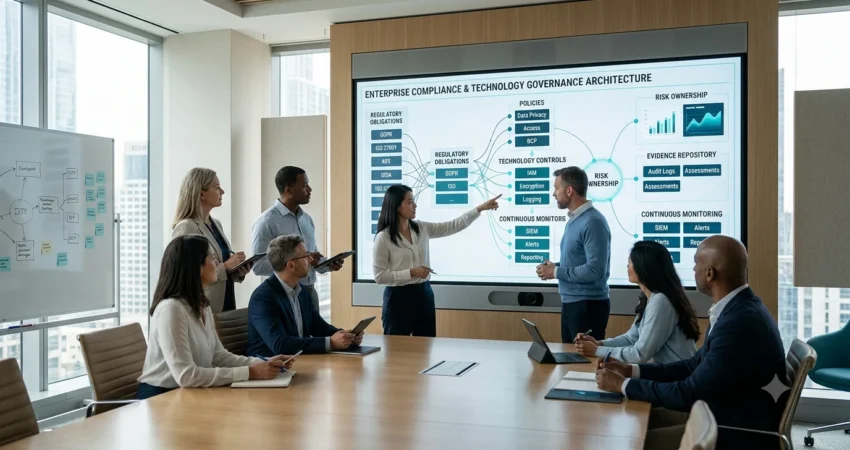

A practical enterprise guide for assessing compliance readiness, translating obligations into controls, establishing evidence, defining ownership, managing gaps, and building sustainable compliance into technology operations.
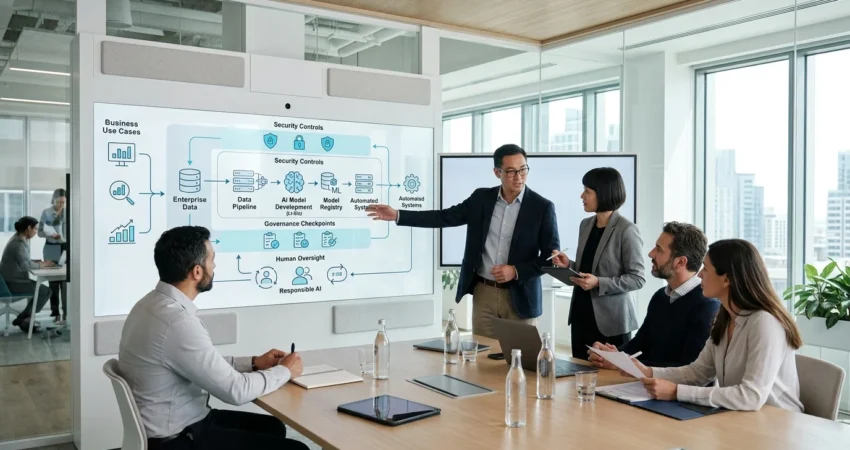

A practical enterprise framework for adopting AI responsibly across strategy, governance, data, security, risk, human oversight, deployment, monitoring, and continuous improvement.


A practical enterprise handbook for assessing cyber resilience, strengthening preparedness, improving response capabilities, and maintaining critical operations through disruptive cyber events.


Learn how KRIs, KPIs, thresholds, and trends can turn technology risk data into executive decision support tied to appetite, control effectiveness, and business impact.


Explore how enterprises can move from periodic compliance exercises toward continuous control visibility, automated evidence, exception management, and stronger operational assurance.
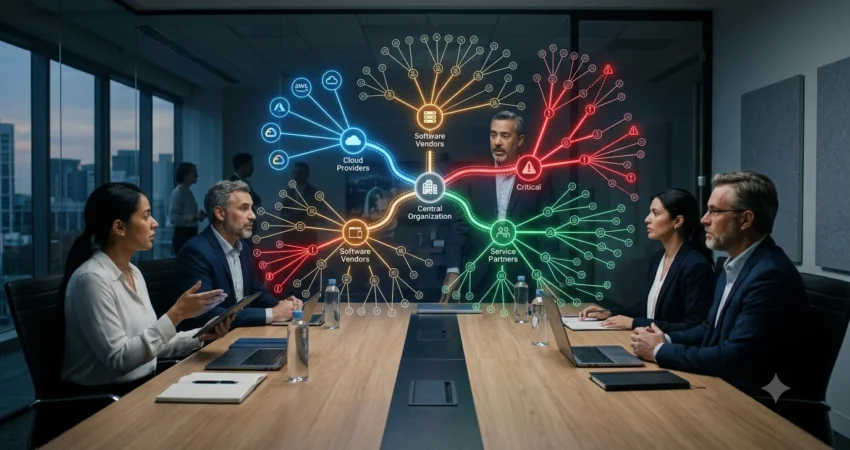

Learn how organizations can evolve third-party technology risk from onboarding questionnaires toward continuous oversight, service dependency analysis, resilience, and decision-ready assurance.


Learn how enterprises can combine AI, workflow orchestration, integration, and automation to improve business processes while maintaining governance, security, and human oversight.


Explore how organizations can establish proportionate AI governance that supports innovation while managing security, privacy, responsible use, data, third-party, and operational risks.


Explore a practical approach to modernizing enterprise infrastructure while protecting availability, dependencies, security, recovery capability, and critical business operations.