Enterprises are moving toward phishing-resistant and passwordless access, including passkeys. Leaders should plan identity recovery, device trust, legacy applications, and phased adoption before passwords disappear from the daily path.


Technical debt is moving from an engineering backlog item to a board-level investment issue that affects transformation speed, cyber risk, resilience, and operating cost. Leaders should decide which debt to remediate, which to accept, and how to measure it consistently.

Resilience planning is moving from isolated disaster-recovery exercises toward business-service continuity, dependency mapping, and impact tolerance. Leaders should test whether critical services can actually be restored within an accepted disruption window.
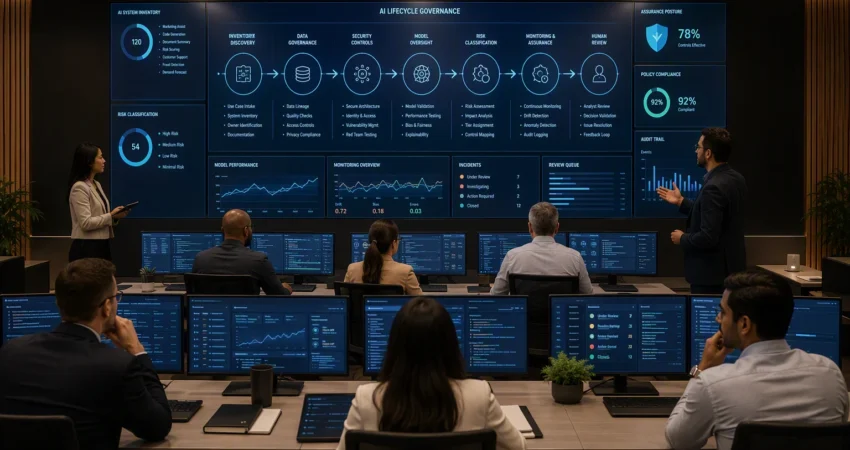
AI governance is moving beyond policy committees into operational technology work: inventory, access, monitoring, data controls, and model lifecycle. Leaders should ask whether the organization even knows where AI is being used.

Enterprise cloud programs are moving beyond workload migration toward internal platforms, reusable services, and embedded guardrails. Leaders should ask whether teams are still solving the same infrastructure problems repeatedly.

Security teams are moving beyond treating every vulnerability as equal toward understanding exploitable attack paths and business-relevant exposure. Leaders should ask which weaknesses can actually reach critical assets.

Enterprise cyber defense is increasingly organized around identity rather than network location. Leaders should examine workforce, privileged, machine, and emerging AI-agent identities as one risk surface.

Enterprises are moving AI from conversational assistance toward agents that can plan, use tools, and act in workflows. Leaders should decide how much operational autonomy is acceptable before that shift accelerates.

Cloud financial accountability is becoming a shared discipline across engineering, finance, and business teams. Leaders should connect spend to services, rightsizing, and architecture choices without weakening resilience.